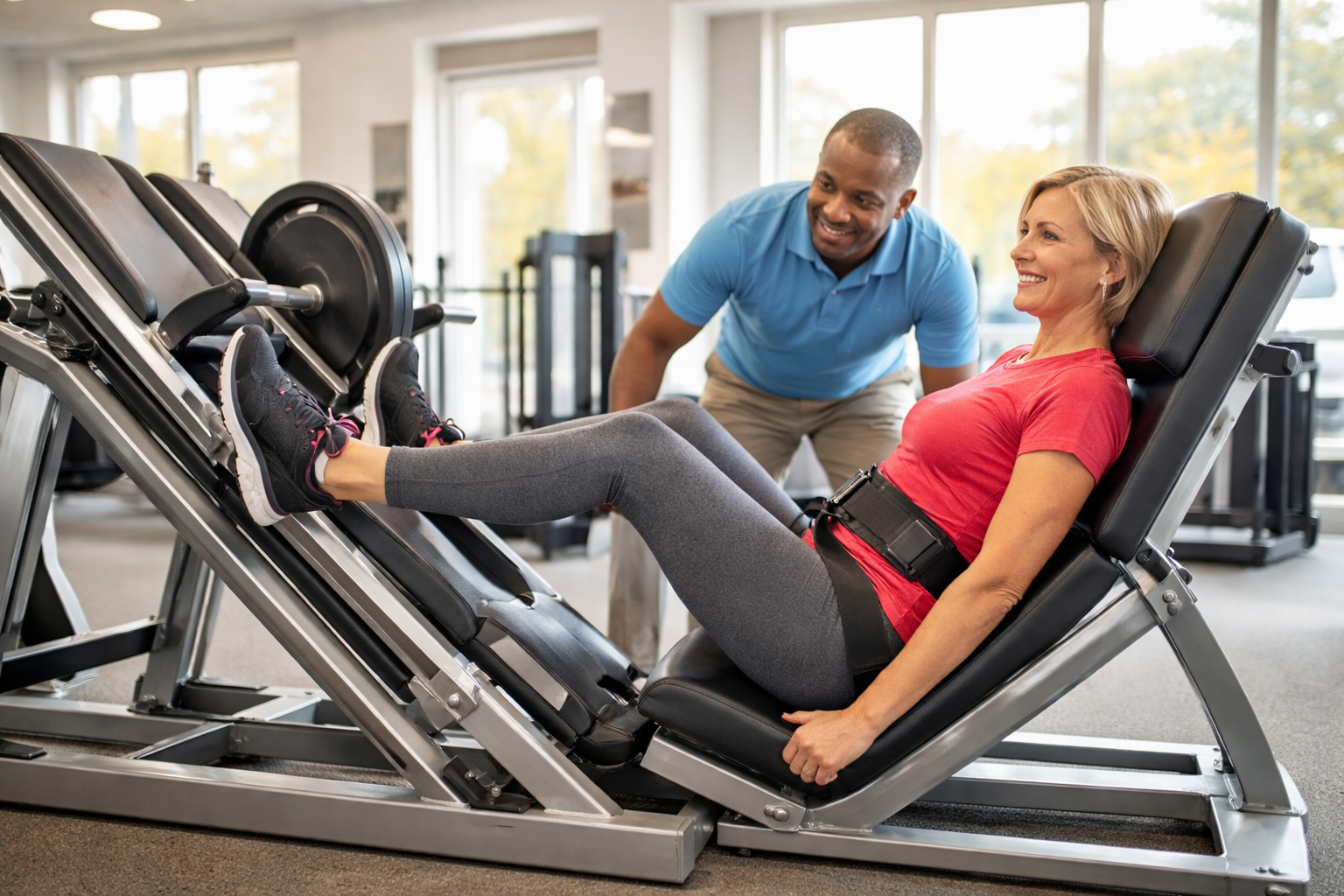
Hip-sled innovations for MS mobility are becoming an important focus in rehabilitation and physical therapy for individuals living with multiple sclerosis. MS is a neurological condition that affects muscle control, balance, and coordination, often making walking and everyday movement more challenging. Because mobility is closely linked to independence and quality of life, modern rehabilitation tools such as hip-sled systems are being explored as supportive solutions.
A hip-sled is a specialized exercise device often used in therapy settings to strengthen the lower body while providing stability and guided motion. Unlike free-standing exercises that require strong balance, hip-sled machines allow individuals to train the legs and hips in a controlled environment. Hip-sled innovations for MS mobility are especially valuable because they reduce strain and increase safety during movement practice.
Understanding how these innovations work helps patients and caregivers see their potential in improving functional mobility and long-term physical strength.
How Hip-Sled Innovations for MS Mobility Strengthen Muscles
One of the primary benefits of hip-sled innovations for MS mobility is their role in strengthening muscles that support walking and posture. MS often causes muscle weakness, particularly in the legs and hips, which leads to fatigue and limited movement. When muscles lose strength, balance becomes harder, and daily activities such as standing up or climbing stairs become more difficult.
Hip-sled systems allow individuals to perform resistance-based leg movements while seated or supported. This reduces the fear of falling and enables consistent training. Strengthening the hip and leg muscles improves stability, endurance, and walking patterns.
Hip-sled innovations for MS mobility also allow therapists to adjust resistance levels carefully, ensuring that exercises match each patient’s ability. This personalized approach promotes gradual improvement without overexertion, which is essential for individuals managing MS-related fatigue.
Hip-Sled Innovations for MS Mobility and Balance Improvement
Balance challenges are among the most common mobility concerns for MS patients. Nerve signal disruptions can make it difficult for the brain to coordinate muscle responses, increasing the risk of falls. Hip-sled innovations for MS mobility help address this issue by providing a stable platform that allows patients to strengthen key muscles without requiring full-body balance during exercise.
When the hips and core become stronger, the body gains better alignment and control. Hip-sled movements encourage proper joint engagement and improve coordination between muscle groups. Over time, patients may experience improved posture, increased confidence, and safer walking abilities.
Hip-sled innovations for MS mobility also help train controlled movement patterns. This is important because many MS patients develop compensatory habits that strain other muscles. Guided motion helps reinforce healthier movement, reducing discomfort and improving mobility efficiency.
The Role of Hip-Sled Innovations for MS Mobility in Rehabilitation
Rehabilitation programs for MS focus on maintaining function, preventing muscle loss, and improving quality of life. Hip-sled innovations for MS mobility play a valuable role in these programs because they combine strength training with safety and adaptability.
Physical therapists often use hip-sled exercises as part of comprehensive mobility plans. These devices help patients practice consistent lower-body engagement while minimizing the risk of imbalance or injury. Because MS symptoms vary greatly, rehabilitation must be flexible. Hip-sled innovations provide adjustable settings that support patients at different stages of the condition.
Another advantage is that hip-sled training promotes circulation and joint mobility. MS patients often experience stiffness and reduced flexibility. Controlled resistance exercise encourages healthier movement in the hips, knees, and ankles, supporting a better range of motion over time.
Hip-sled innovations for MS mobility also improve confidence. When patients feel supported during exercise, they are more likely to stay motivated and consistent with therapy.
Future Potential of Hip-Sled Innovations for MS Mobility Care
The future of hip-sled innovations for MS mobility continues to expand as technology improves rehabilitation options. Modern hip-sled systems are being designed with better ergonomic support, smoother mechanics, and enhanced customization for neurological conditions. Some devices are now integrated with monitoring tools that track progress and help therapists refine exercise plans.
As research grows, hip-sled therapy may become more widely recognized as an effective mobility support tool for MS patients. These innovations offer a promising combination of strengthening, balance improvement, and controlled movement training.
Hip-sled innovations for MS mobility remind us that rehabilitation is not only about recovery but also about maintaining independence and improving daily life. With continued advancement, these tools may help more patients stay active, confident, and empowered in their mobility journey.